Conquering Accounting Software Bookkeeping: Key Tips for Small Business Success
Mastering Accounting Software bookkeeping is crucial for small businesses striving for financial clarity. This versatile platform simplifies numerous elements of fiscal oversight. From automating invoicing to tracking expenses, Accounting Software is designed to boost operational efficiency. Despite this, numerous small business owners neglect critical strategies that could maximize its effectiveness. Understanding these nuances can give a company a competitive edge. What essential actions are needed to guarantee optimal performance from Accounting Software? The following insights will reveal the road toward effective fiscal oversight.
Why Accounting Software Is Essential for Small Businesses
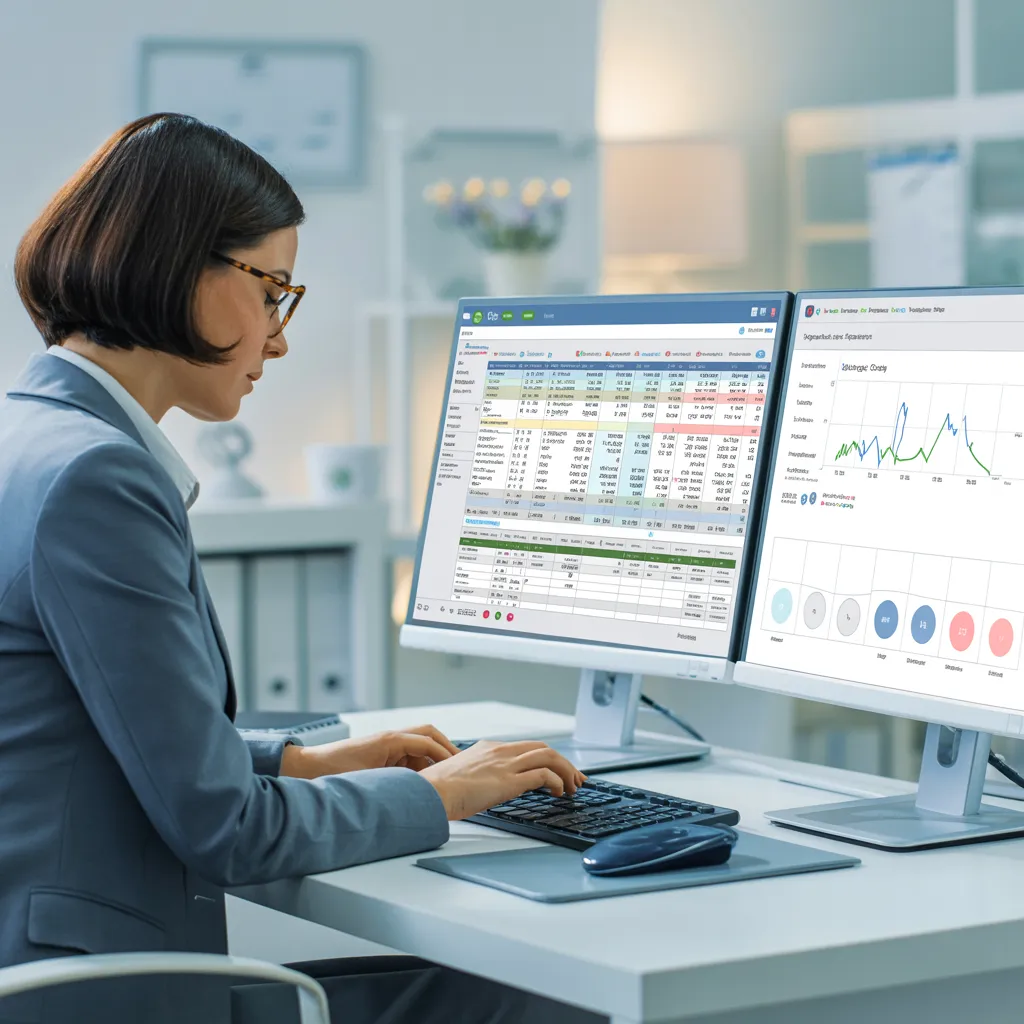
Accounting Software has become an indispensable tool for small businesses, as it streamlines financial management and enhances operational efficiency. By delivering an easy-to-use interface, it enables business owners to manage invoicing, expense tracking, and payroll effortlessly. The software automates time-consuming tasks, reducing the likelihood of errors and freeing up valuable time for business owners to focus on growth strategies.
Furthermore, Accounting Software delivers robust reporting tools that offer understanding into financial health, facilitating knowledgeable decision-making. Business proprietors can conveniently assess cash flow, earnings margins, and additional key indicators, enabling them to respond to evolving market dynamics. Connectivity features with external business software further enhance its effectiveness, enabling streamlined data coordination across systems. As a cloud-driven tool, Accounting Software guarantees that fiscal information is available around the clock, encouraging coordination between colleagues. Ultimately, Accounting Software is indispensable for growing enterprises striving toward streamlined processes and strategic financial control.
Setting Up Your Accounting Software Account the Right Way
Configuring a Accounting Software account properly is vital for maximizing its advantages. Initially, a business owner should choose the suitable version of Accounting Software that matches their business needs, whether it be Online or Desktop. After selecting the right version, the subsequent step includes creating a new account by providing fundamental details such as the business name, industry type, and address. This information helps Accounting Software tailor its tools to the particular demands of the business.
When the account is set up, users should configure their chart of accounts, grouping income, expenses, assets, and liabilities according to their financial structure. Following this, integrating bank accounts and credit cards enables seamless transaction tracking. Finally, customizing preferences, such as invoice templates and sales tax, confirms that the account aligns with the business's operational standards. By diligently following these steps, users can create a solid foundation for effective bookkeeping with Accounting Software.
Simplifying Invoicing Using Accounting Software Tools
Invoicing can often be a time-consuming process for businesses, but Accounting Software offers tools to simplify it. By automating invoice generation and customizing templates, users can improve productivity while preserving a polished look. This method not only reduces time spent but also ensures uniformity in billing procedures.
Streamlining Invoice Creation
Streamlining the invoicing process can greatly enhance a company's productivity and financial performance. Leveraging Accounting Software for automated invoice generation allows businesses to save time and reduce errors. By setting up recurring invoices for regular clients, companies can secure timely billing without human intervention. Accounting Software also empowers users to generate and organize invoices, simplifying the payment collection process. The software can seamlessly calculate taxes and discounts, eliminating the need for tedious calculations. Furthermore, automated reminders can be dispatched to clients, increasing the likelihood of prompt payments. This functionality not only reduces administrative burdens but also fosters better cash flow management. In the end, automating invoice generation allows business owners to concentrate on growth rather than repetitive tasks.
Personalizing Invoice Templates
Personalizing billing templates in Accounting Software enables businesses to create customized billing experiences that represent their brand identity. By using Accounting Software' powerful design tools, users can adjust elements such as logos, colors, and fonts to maintain consistency with their overall branding. This personalization not only elevates the professional appearance of invoices but also builds trust and recognition among clients. Moreover, businesses can adjust invoice fields to incorporate specific information related to their services, such as item descriptions or payment terms. Accounting Software also enables users to maintain multiple templates for various clients or services, optimizing the invoicing process. In summary, customized invoice templates in Accounting Software greatly improve the effectiveness and efficiency of billing, resulting in a more efficient financial workflow.
Tracking Your Expenses With Accounting Software Efficiency
Efficient expense tracking in Accounting Software requires organizing expense categories and leveraging receipt scanning capabilities. By classifying expenses with precision, users can obtain better visibility into their financial standing. Additionally, employing receipt capture functionality streamlines the process, reducing manual input and improving precision.
Managing Expense Categories
Furthermore, the use of subcategories can enhance tracking precision, enabling businesses to track specific expenses more thoroughly. Periodically examining and revising these categories confirms they continue to be useful as the business develops. Through keeping well-structured expense categories, small businesses can improve accuracy in financial statements and make informed decisions that support long-term growth and sustainability. Efficient categorization consistently contributes to stronger financial health and greater clarity in day-to-day business activities.
Utilizing Receipt Capture
Managing expense tracking becomes significantly simpler by leveraging receipt capture in Accounting Software. This functionality enables small business owners to seamlessly capture and manage their receipts, decreasing the likelihood of missing paperwork. Individuals can conveniently snap an image of a receipt using the Accounting Software mobile app, which seamlessly captures important details such as the date, vendor name, and total amount. This information is then categorized and synced with existing records, ensuring accuracy and saving valuable time. Through the use of this receipt capture feature, businesses can achieve greater financial control and streamline tax filing. Moreover, this capability improves conformance with record-keeping obligations, delivering confidence when facing financial reviews. Ultimately, adopting receipt capture within everyday business processes substantially enhances the effectiveness of expense tracking.
Leveraging Financial Reports for Informed Decision-Making
Leveraging the strength of financial reports can considerably improve decision-making within a business. These reports, which include profit and loss statements, balance sheets, and liquidity assessments, provide valuable insights into a business's financial health. By routinely examining these documents, business owners can recognize patterns, evaluate earnings, and detect emerging challenges.
Financial statements also support informed budgeting and forecasting, permitting the strategic distribution of resources. To illustrate, a detailed analysis of income sources can identify underperforming products or services, driving targeted marketing efforts or operational refinements. Additionally, analyzing cash flow behaviors assists in avoiding cash flow shortfalls, guaranteeing the company can fulfill its financial commitments.
In the end, utilizing financial reports enables small business owners to make informed, learn more data-driven decisions, encouraging growth, productivity, and lasting sustainability. By incorporating these findings into their strategic planning, businesses can address challenges and take advantage of opportunities more efficiently.
Top 5 Accounting Software Mistakes Small Businesses Make
Understanding financial reports is a foundational step for small companies seeking to strengthen their decision-making processes. However, many companies encounter challenges when working with Accounting Software. One common mistake is neglecting to reconcile accounts consistently, which can result in errors within financial statements. Additionally, neglecting to categorize expenses correctly can misrepresent profit margins and mislead business owners about their financial standing.
One other frequent error is neglecting the importance of backups. When data backups are not performed regularly, businesses face the danger of losing critical financial information. A large number of small enterprises also fail to recognize the benefits of utilizing reports; not leveraging these tools can obstruct effective planning. To conclude, poor familiarity with Accounting Software tools leads to unproductive work processes, resulting in time wastage and potential errors. By acknowledging and resolving these issues, small businesses can optimize their Accounting Software usage, setting the stage for better financial oversight and growth.
Accounting Software Training Resources for Ongoing Assistance
In what ways can small businesses steadily develop their Accounting Software expertise? Accessing a variety of learning resources can be instrumental in enhancing bookkeeping proficiency. Accounting Software offers official training modules and certification programs designed to help users master the software. These training offerings encompass fundamental tools and complex features, serving learners across a wide range of proficiency levels.
Furthermore, entrepreneurs can take advantage of online platforms, such as Udemy and LinkedIn Learning courses, which offer video-based tutorials and professionally led classes. Connecting through online community forums, like the Intuit Community forum, gives users the ability to discuss experiences and share solutions, encouraging a collaborative and engaging learning environment.
Moreover, community workshops and online webinars often provide direct training, deepening practical insight. Signing up for Accounting Software blogs and email newsletters enables businesses to keep track of new features and best practices. By leveraging these diverse resources, small enterprises can achieve continuous support and steady improvement in their Accounting Software accounting abilities.
Popular Questions We Receive
Can Accounting Software Be Used for Multiple Businesses?
Absolutely, Accounting Software is suitable for multiple businesses. Business owners can establish individual company files for every business, which allows them to manage finances, track transactions, and produce reports on an individual basis, maintaining organized bookkeeping for all different business ventures.
How Often Do I Need to Reconcile My Accounts in Accounting Software?
Accounts should be reconciled in Accounting Software monthly to ensure accuracy. Regular reconciliation helps identify discrepancies early, preserving financial integrity and delivering a precise overview of the company's financial health to support informed decision-making.
Which E-Commerce Integrations Does Accounting Software Provide?
Accounting Software offers various integrations for digital commerce, including popular platforms like WooCommerce, Shopify, and BigCommerce. These integrations optimize financial operations, enabling users to seamlessly sync sales data and handle inventory management through Accounting Software.
Is Accounting Software a Good Fit for Non-Profit Organizations?
Accounting Software is indeed suitable for nonprofit organizations, providing tools designed for monitoring donations, overseeing grants, and producing financial reports. Its flexible tools enable non-profit organizations to copyright transparency and ensure compliance with regulatory requirements effectively.
How Do I Handle Payroll in Accounting Software?
To manage payroll in Accounting Software, you need to create employee profiles, input necessary tax information, and execute payroll with the application's dedicated payroll functions. Regularly review reports to guarantee accuracy and compliance with regulations.